
“AI chatbot” has become one of those phrases that promises everything and explains nothing. Before deciding whether it’s worth the investment, it helps to know plainly what a chatbot actually does, and where it still falls short.
What an AI chatbot is actually good at
Answering the same questions, over and over, at 11pm on a Sunday. Every business gets a handful of repeat questions: hours, pricing ranges, service areas, how to book. A chatbot answers instantly, any time of day, without pulling a person away from their work.
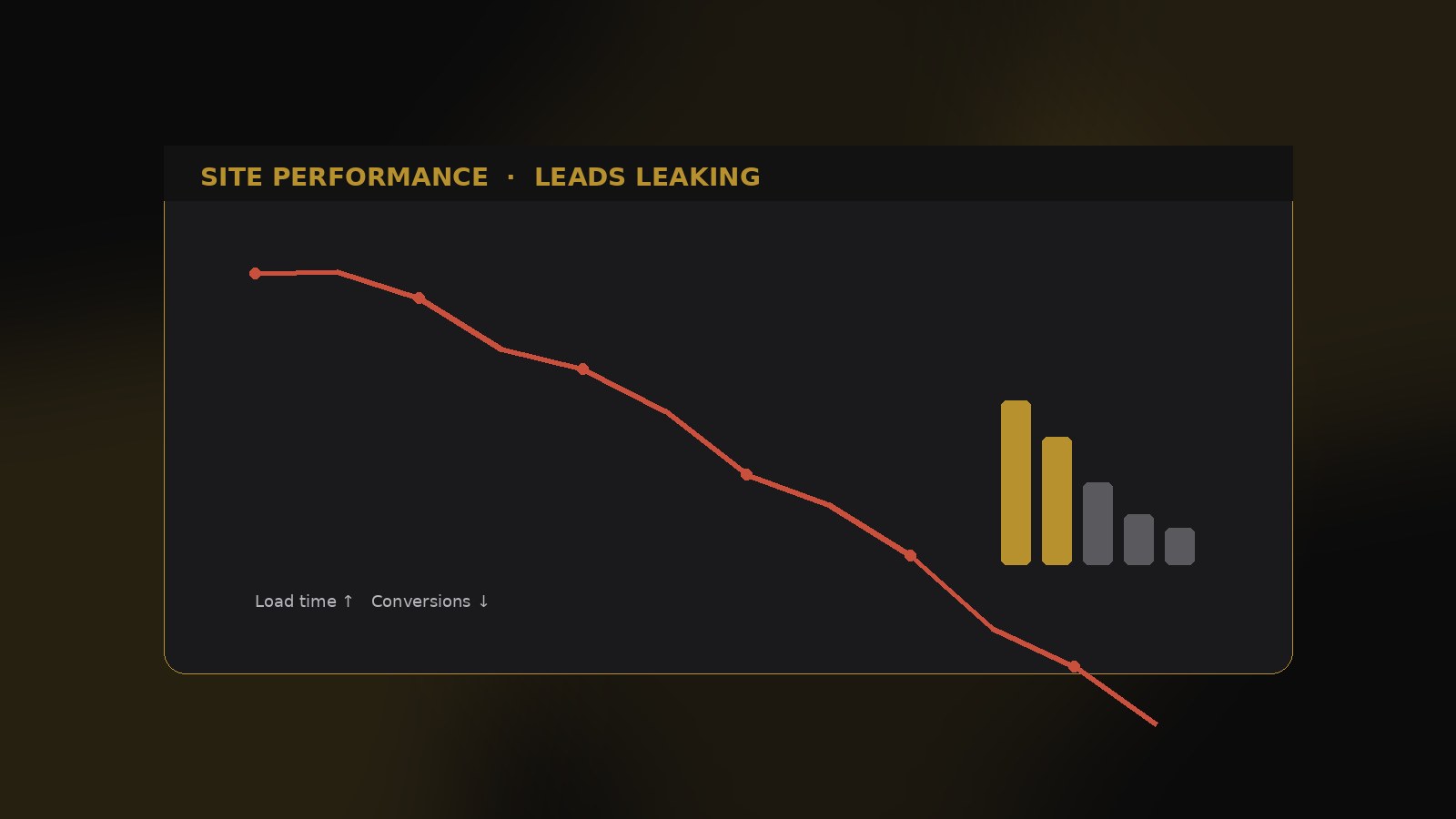
Catching leads that would otherwise disappear. A visitor who lands on your site at midnight isn’t going to wait until Monday to fill out a contact form if they can get an answer right now. A chatbot that captures a name and contact info mid-conversation turns a browsing visitor into a real lead before they bounce, which matters, since most visitors who leave a site never come back to it.
Pre-qualifying, not closing. A well-built chatbot can figure out roughly what a visitor needs (which service, budget range, and timeline) and route that information to a human, so the first real conversation starts further along than “hi, tell me about your business.”
Booking without back-and-forth. Paired with a calendar integration, a chatbot can get a discovery call on the books without a single email exchange.
Where it still can’t replace a person
Nuanced or emotional conversations. If a client is upset, confused, or has a genuinely unusual situation, a chatbot that escalates to a real person quickly is doing its job correctly. Chatbots earn a bad reputation when they’re built to avoid that handoff instead.
Judgment calls and custom quotes. A chatbot can give a price range. It shouldn’t be the one deciding final pricing on a custom project. That’s still a conversation for a person who can actually scope the work.
Trust on high-stakes decisions. For a large purchase or a long-term contract, most people still want to talk to a human before committing. The chatbot’s job here is to get that conversation scheduled, not replace it.
AI chatbot vs. AI agent: a quick distinction
Not all “AI chatbots” work the same way. A basic chatbot answers from a script or a set of trained FAQs. It’s a first-level responder. A more advanced AI agent can reason through a request, pull live information, and take multi-step action (checking an order status, for example). Most small businesses only need the first kind: a script-based FAQ and lead-capture bot handles the bulk of repetitive questions without the added cost or complexity of a full AI agent.
How to tell if your business actually needs one
You’re a good fit if:
- You regularly get the same 3 to 5 questions by email, text, or DM
- Leads come in outside business hours and go unanswered until the next morning
- You’re losing time answering things a webpage should already cover
You’re probably not a good fit yet if:
- Your business runs almost entirely on complex, custom conversations from the first message
- You don’t have consistent enough traffic to justify the setup
FAQ
How much does an AI chatbot cost for a small business?
Setup typically ranges from a few hundred dollars for a simple FAQ bot to a few thousand for one that includes workflow automation and CRM syncing, plus an ongoing monthly fee for hosting and upkeep.
Can a chatbot replace customer service staff?
No. It supports a team by handling repetitive, low-complexity questions, freeing staff for the conversations that actually need a person.
Do I need a developer to set one up?
Not necessarily. Many modern chatbot platforms are no-code and can launch in days when configured around your specific FAQs, services, and booking flow.
We build chatbots as a tool that supports your business, not a gimmick bolted onto your website.
See our Digital Presence Setup and automation options, or book a discovery call to find out if one makes sense for you.
Book a Discovery Call